제로원 오픈스튜디오 2020 — 수어통역 디바이스를 활용한 2채널 영상 작업 <말할 수 있기 위해서> (To be heard). 강남 드림플러스 6층 제로원, 2020.10 - 2020.11.
사운드 아티스트 이강일은 프로젝트 <말할 수 있기 위해서>에서 시청각 장애인을 위한 보조 솔루션을 개발해오고 있는 스타트업 UNBARRIER와의 협업을 통해, ‘수어’ 자체를 하나의 언어로 말하게 하고 그 말해진 수어를 다시 ‘듣는 것’을 시도한다. 수어는 소리 말을 사용하는 데 어려움이 있는 청각 장애인 혹은 그와 소통을 시도하는 비청각 장애인이 함께 사용하는 언어이다. 우리 사회는 연어를 소리로 전달한다는 것에 너무 익숙하기 때문에, 청각 장애인들 역시 언어를 소리로 익히는 방식의 교육학적 태도를 암묵적으로 공유해왔다. 기술을 응용해 차이를 좁히려는 여러 시도가 있었지만 청각 장애인의 경우 그들에게 소리를 부여하려는 시도가 주를 이루었다. 그러나 이강일은 청각 장애인의 소통 문제를 비장애인의 입장에서 소리로 변하는 일에서만 찾지 않는다. 우선, 이강일은 청각 장애인의 수어 동작을 몸소 따라하는 신체적 통역의 과정에 직접 동참하는 일을 ‘말하기’로 만든다. 이 말하는 과정은 수어 동작을 따라하는 동시에 그것을 음성으로 통역하는 기구의 출력 과정을 통해 ‘듣기’를 동반한다.
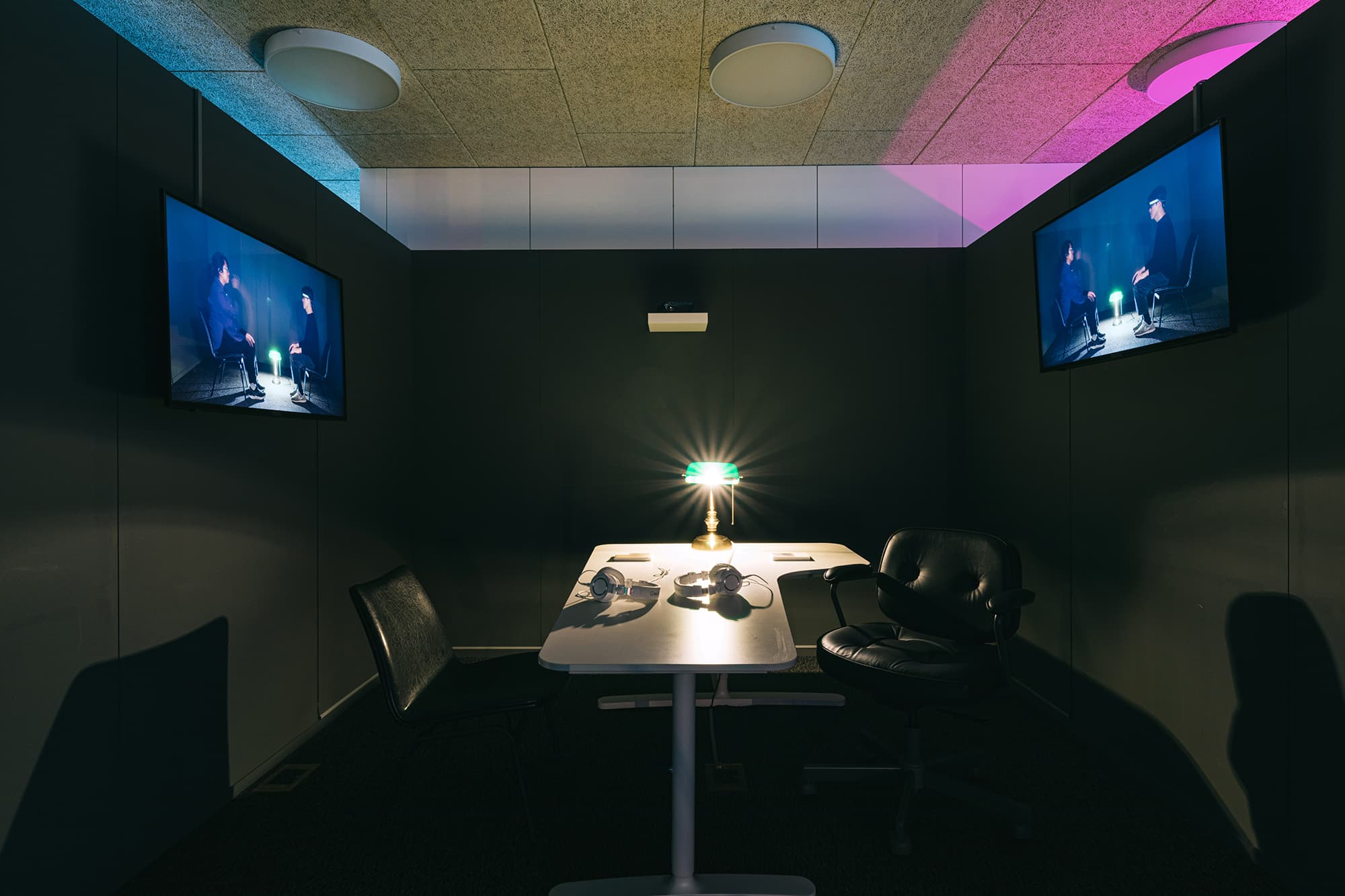
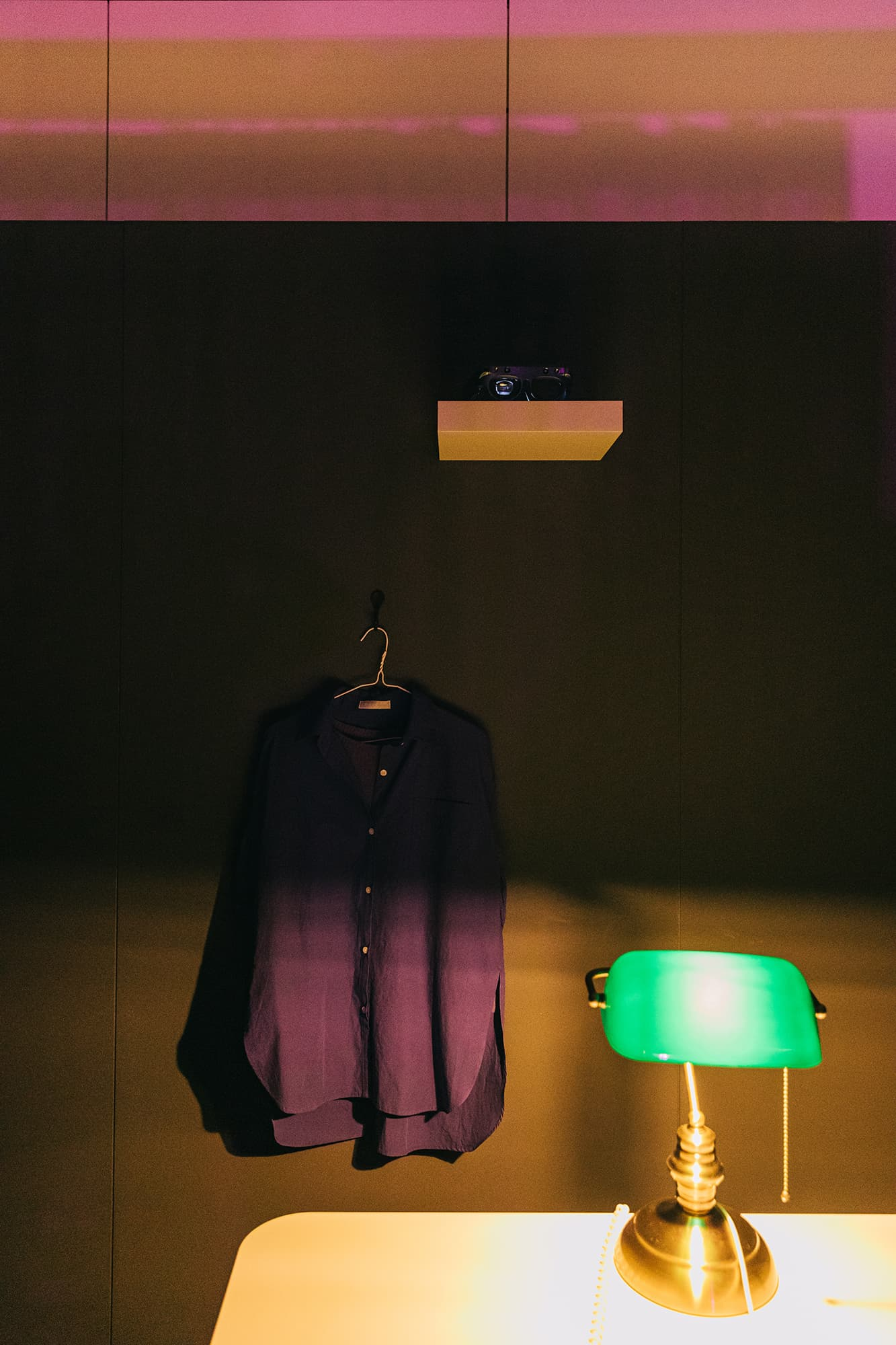
<말할 수 있기 위해서>는 수어를 보고 따라 말하며 듣는 튜토리얼 영상이다. 튜토리얼에는 수어 사용자와 이를 통역하여 따라할 수 있도록 안내해주는 UNBARRIER가 제작한 웨어러블 디바이스, 그리고 수어를 모르는 수어 학습자가 등장한다. 튜토리얼 영상에서 수어를 사용하는 청각 장애인은 문장을 동작에 맞게 끊어서 구사하고, 이를 통역해주는 안경 형식의 기구를 장착한 비장애인은 시각화된 언어 구사를 따라한다. 이렇게 습득된 문장은 기구를 통해 소리로 출력될 수 있다. 여기서 대화에 참여하는 두 사람은 상대의 언어를 자신의 언어로 번역, 변환하는 과정에서 실제로 말을 ‘듣게’ 되며, 나아가 서로를 듣는 일의 깊이를 이해해본다.
<말할 수 있기 위해서>는 청각 장애에서 소리라는 요소에 집중하지 않고, 또 그것을 마땅히 있어야 할 무엇의 결여로 보지 않는다. 본 프로젝트는 단지 보다 신체적일 뿐인 한 종류의 소통 방식과 언어를 그 자체로 존재하게 하고 유효하게 만든다.
In To Be Heard, sound artist Gang il Yi collaborates with UNBARRIER, a start-up developing an assistive solution for people with visual or hearing impairment, to have a ‘sign language’ spoken as a language and ‘listen’ to the spoken sign language. The artist does not view the communication of those with hearing disability solely as a matter of converting something into ‘sounds’ from the viewpoint of the non-disabled. The concept of communicating with sound is the viewpoint of the non-disabled. First of all, Yi turns participation in repeating signs and translating them with bodily actions into ‘speaking.’ Such a process of speaking accompanies ‘listening’ through the output from a device that mimics signals and, at the same time, translates into sounds.
To Be Heard is a tutorial video to learn and use sign language. In the conversation to take place within the context of this project, the audience would have an opportunity to ‘hear’ others as the language of the other party gets translated or converted into his or her language and to consider what it means to ‘hear’ and ‘listen to’ each other.
This project neither focuses on the element of ‘sound’ in ‘hearing’ impairment nor views it as an absence of something given. This project allows and validates a way of communication and language that happens to be bodily.